
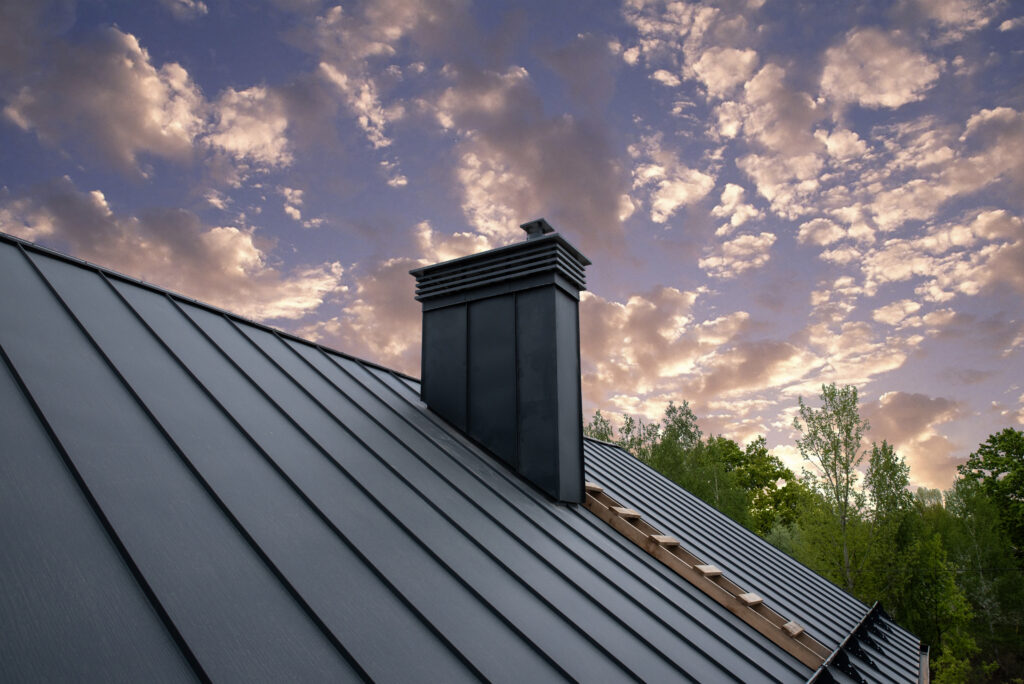

Investing in a new roof is one of the most significant decisions you can make for your home or agricultural property. When evaluating roofing materials, many property owners want a solution that will protect their investment for decades without requiring constant repairs. That search frequently leads to metal roofing, a modern system recognized for exceptional durability and weather resistance.
Understanding how long these systems last helps you make an informed choice for your home or business. In this guide, we will explore average lifespans, key factors affecting longevity, and how professional installation ensures your roof stands the test of time.
What Is the Average Metal Roof Life Expectancy?
The general metal roof life expectancy ranges between 40 and 70 years, though premium materials can last even longer. According to data from the Metal Construction Association, high-end metals like copper and zinc regularly achieve a lifespan exceeding 100 years with minimal performance degradation.
Compared to traditional asphalt shingles, which often require total replacement after 15 to 25 years, a high-quality metal roof offers significantly higher long-term value. In many cases, installing a metal system means you will never need to replace your roof again.
Lifespan Breakdown by Metal Type
Different metals bring distinct characteristics, price points, and service lifespans to a building project.
Galvanized steel typically lasts between 40 and 60 years. Steel provides excellent strength against severe weather when coated with zinc or aluminum-zinc alloys.
Aluminum provides an average service life of 40 to 50 years. Naturally resistant to rust, aluminum is ideal for regions with high humidity or exposure to moist environments.
Copper delivers an astounding service life of 70 to 100 years or more. Known for developing a protective green patina over time, copper is virtually impervious to environmental degradation.
Zinc offers a lifespan ranging from 80 to 100 years or longer. Like copper, zinc heals its own surface scratches through natural oxidation, preserving its structural core.
Why Metal Roofs Outlast Traditional Roofing Options
The superior longevity of metal systems is rooted in fundamental material science and modern engineering techniques.
Resistance to Severe Weather
Metal does not warp, rot, shrink, or absorb moisture like conventional roofing materials. It easily handles high winds, heavy snow loads, violent hail storms, and intense summer sun. Metal is non-combustible and carries a Class A fire rating to provide maximum defense against flying embers during wildfires or storms.
Engineered Panel Designs
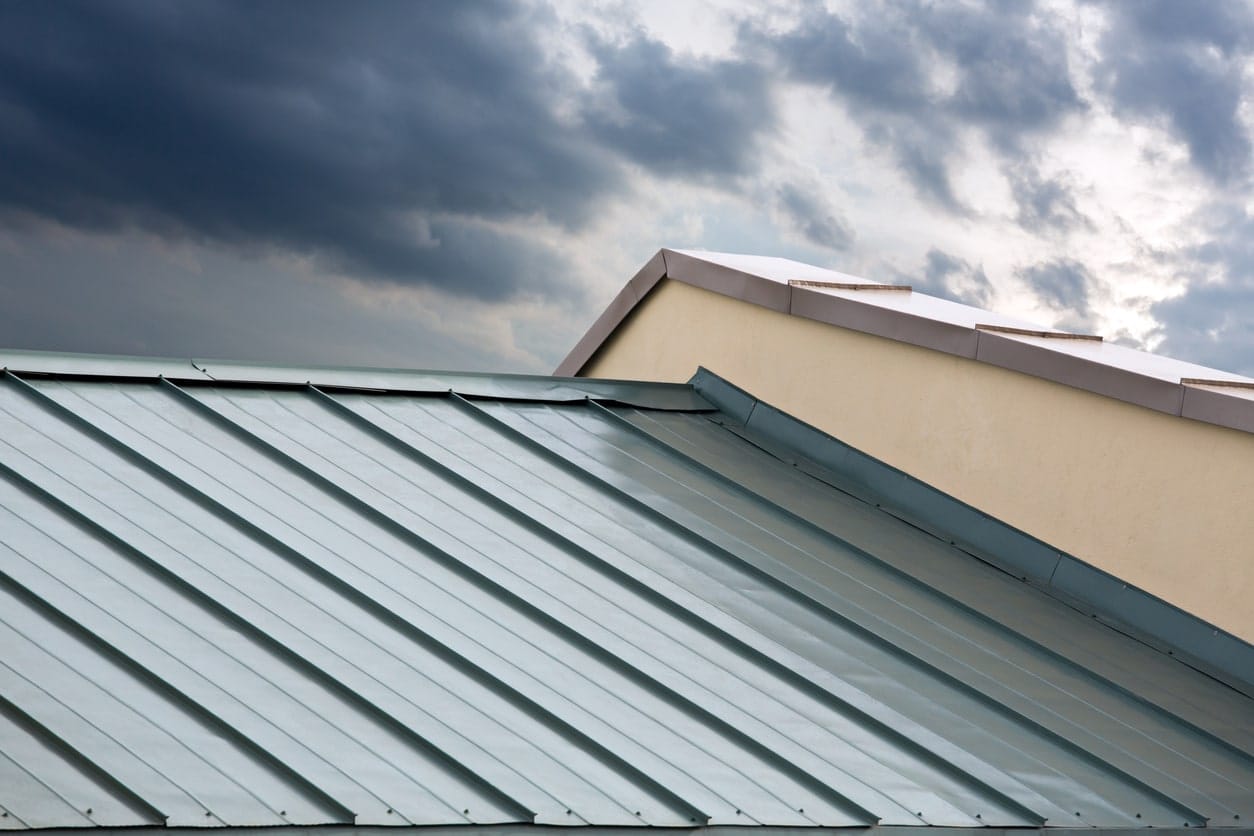
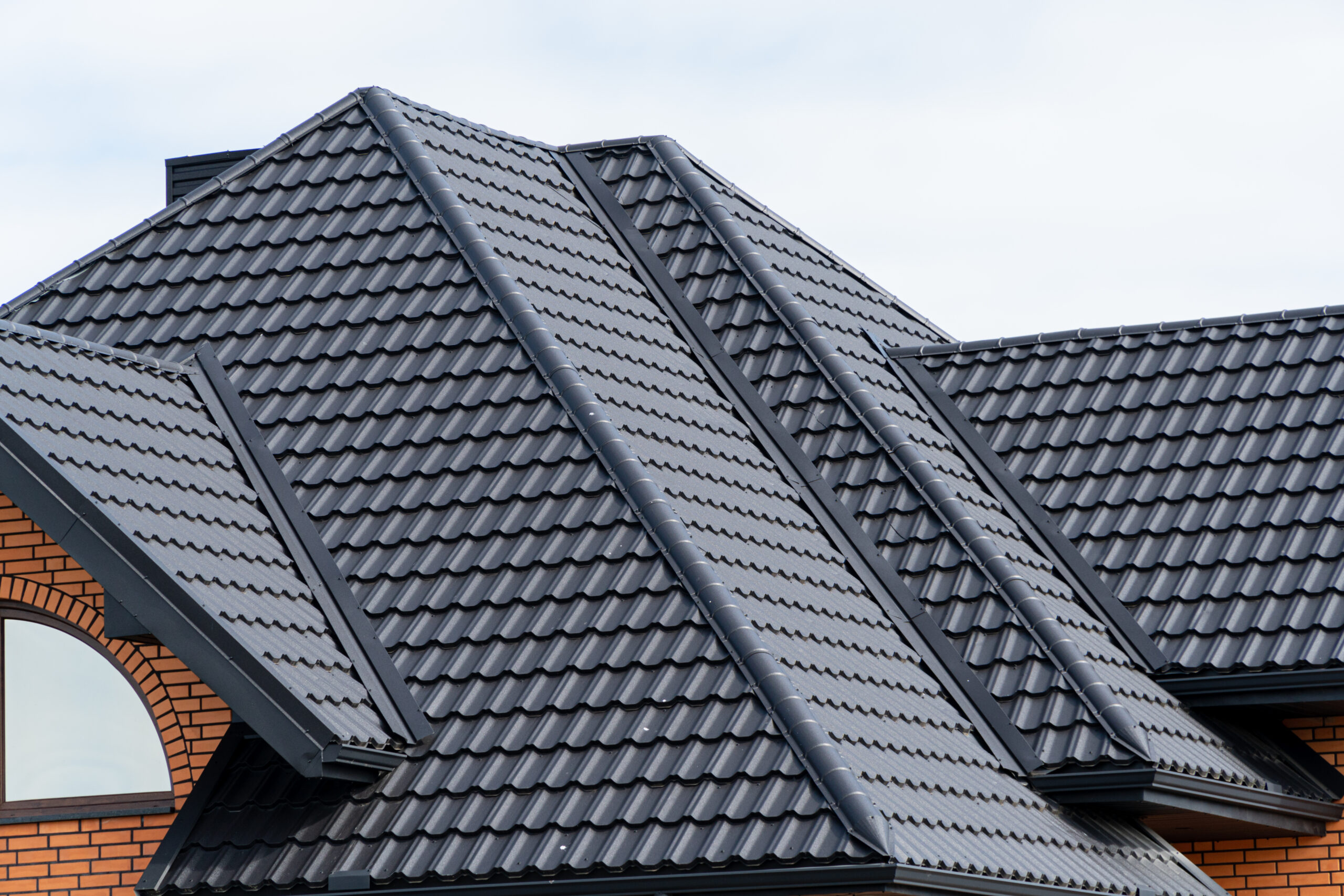
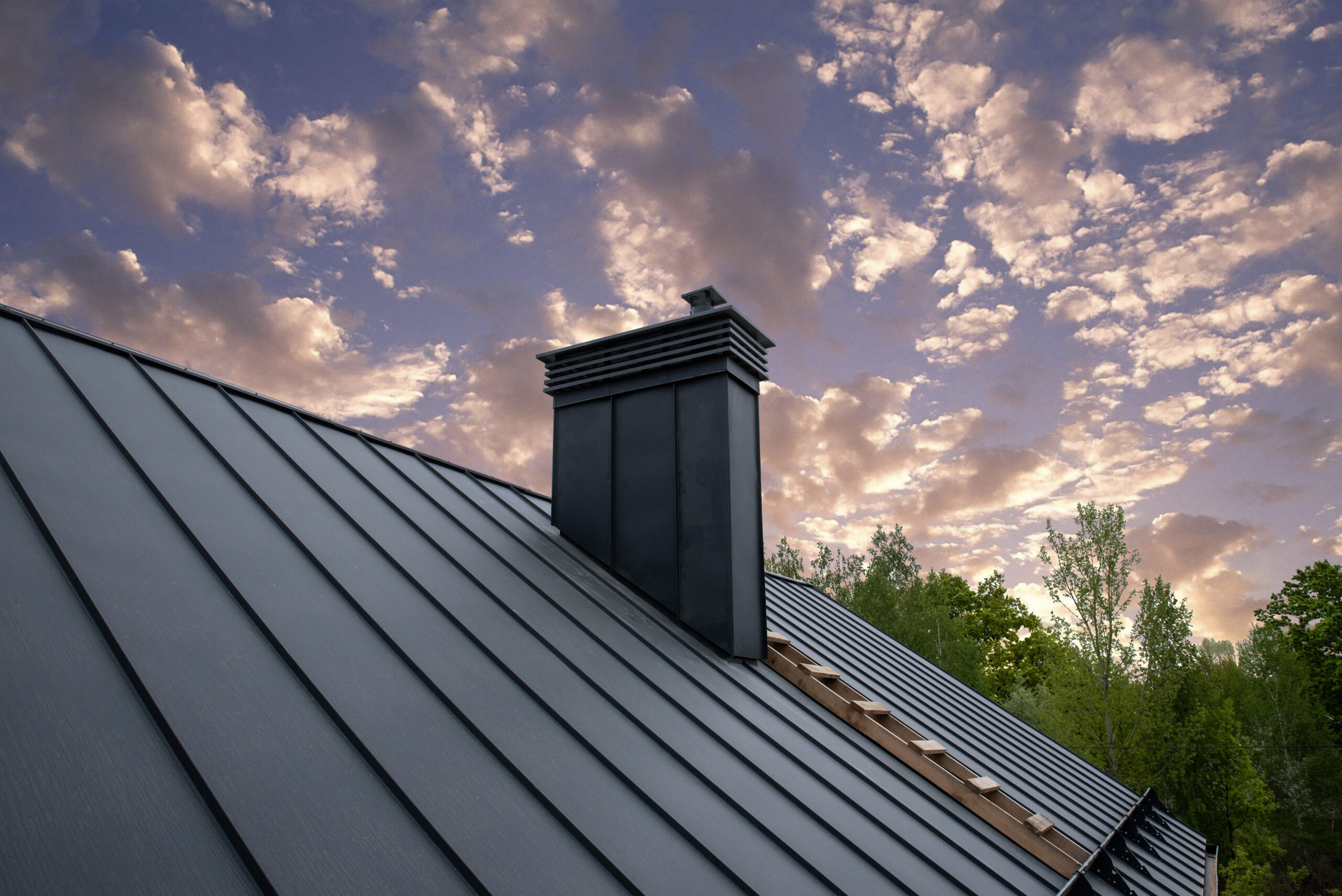
Modern standing seam configurations feature concealed fasteners and interlocking vertical legs. This design creates a continuous weather barrier that prevents water infiltration and reduces potential leak points across your entire roof deck.
High-Performance Protective Coatings
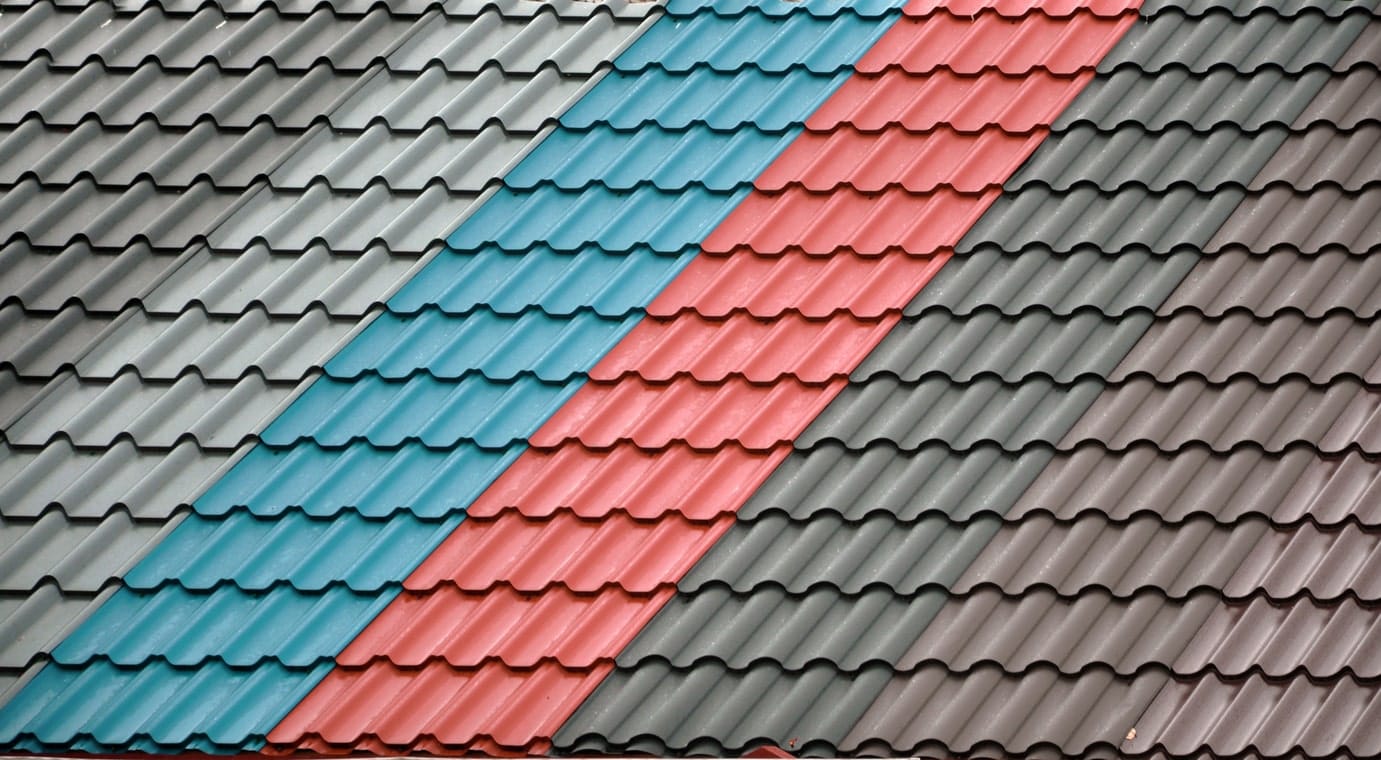
Advanced factory-applied paint finishes protect the underlying metal from corrosion and ultraviolet fading. Highly reflective solar coatings reflect heat away from your attic space to reduce cooling costs during hot summer months.


Key Factors That Influence Your Metal Roof’s Lifespan
While raw materials set the baseline for lifespan, several external factors determine whether your system reaches its maximum potential.
Precision Metal Roof Installation
Even the highest-grade steel panel will fail prematurely if improperly secured. Correct underlayment selection, exact panel flashing, and expansion joint clearances are crucial to accommodating temperature fluctuations. Working with experienced metal roofing contractors ensures every panel is installed according to manufacturer specifications.
Regional Climate and Environmental Factors
Extreme freeze-thaw cycles, heavy snowfall, and high humidity place demands on any structure. Choosing a profile designed for your microclimate helps maintain your roof’s integrity. For example, homes surrounded by dense timber benefit from specialized leaf management, while properties in high-wind corridors require precise fastener spacing.
Minimal Routine Maintenance
Metal systems require very little upkeep compared to asphalt or wood. Periodically clearing debris, keeping gutters clean, and scheduling professional inspections after major weather events will prevent minor issues from expanding into costly repairs.
Metal Roofing vs. Traditional Materials
When comparing replacement costs over a 50-year period, metal clearly demonstrates superior financial value over conventional alternatives.
Asphalt shingles present a lower upfront cost, but they generally require full replacement every 15 to 25 years and demand moderate maintenance. Over a half-century span, an asphalt roof will likely need to be replaced two to three times.
Wood shake roofs last between 20 and 30 years with significant maintenance demands, requiring at least two complete replacements over 50 years.
Architectural metal lasts 40 to 70 years or more with minimal maintenance, eliminating the need for periodic replacement during your time in the home.
Slate and tile offer long service lifespans of 50 to 100 years, but they require delicate upkeep. Furthermore, their extreme weight often requires expensive structural reinforcement to your roof deck, whereas metal provides long-lasting protection without straining your home’s framework.
Maximizing Longevity with Piedmont Roofing
Ensuring your roof lasts 50 years or more requires superior materials and precision craftsmanship. At Piedmont Roofing, we have spent decades installing, repairing, and maintaining durable roofing systems across Virginia.
Our team brings deep expertise to every residential, commercial, and agricultural project:
Custom residential metal roof installation engineered for decades of protection.
Specialized restoration services including professional metal roof painting to extend system life.
Expert installation of seamless gutters and spouting to channel water away from foundations.
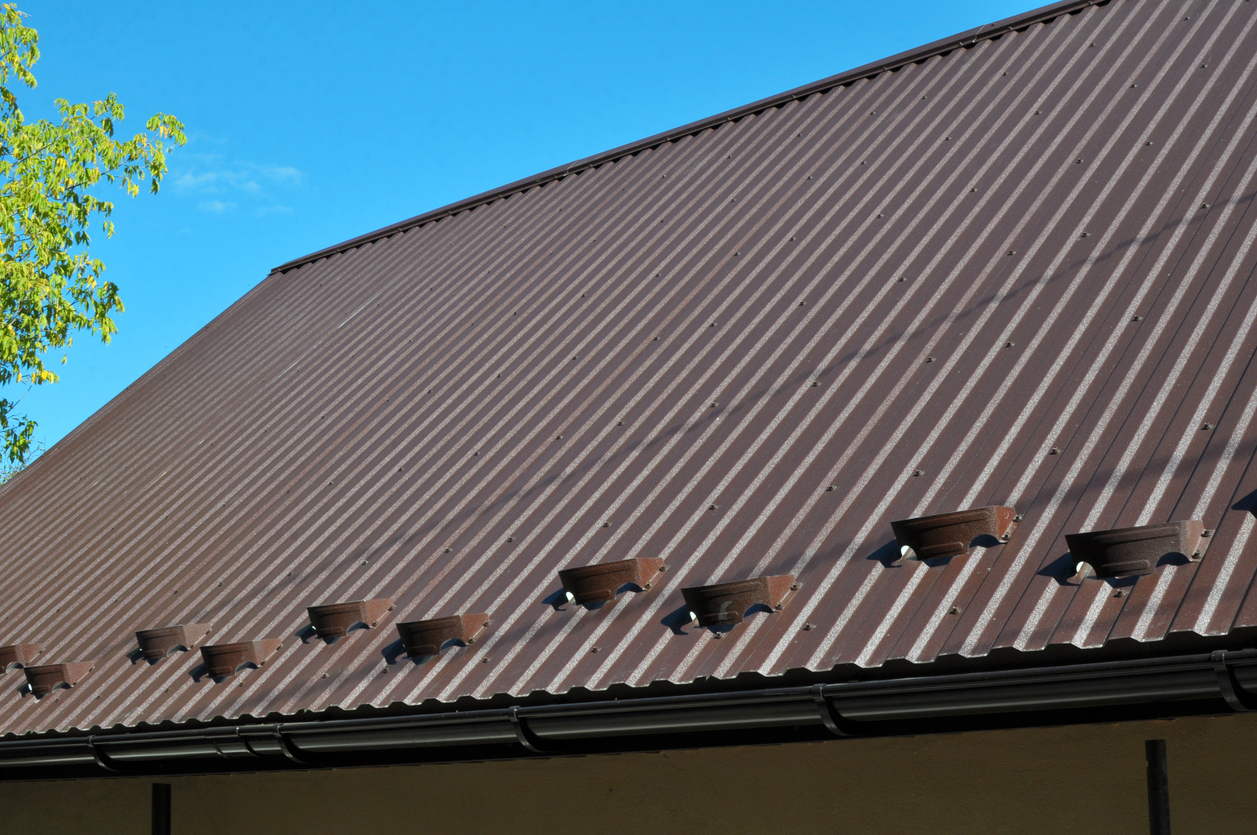
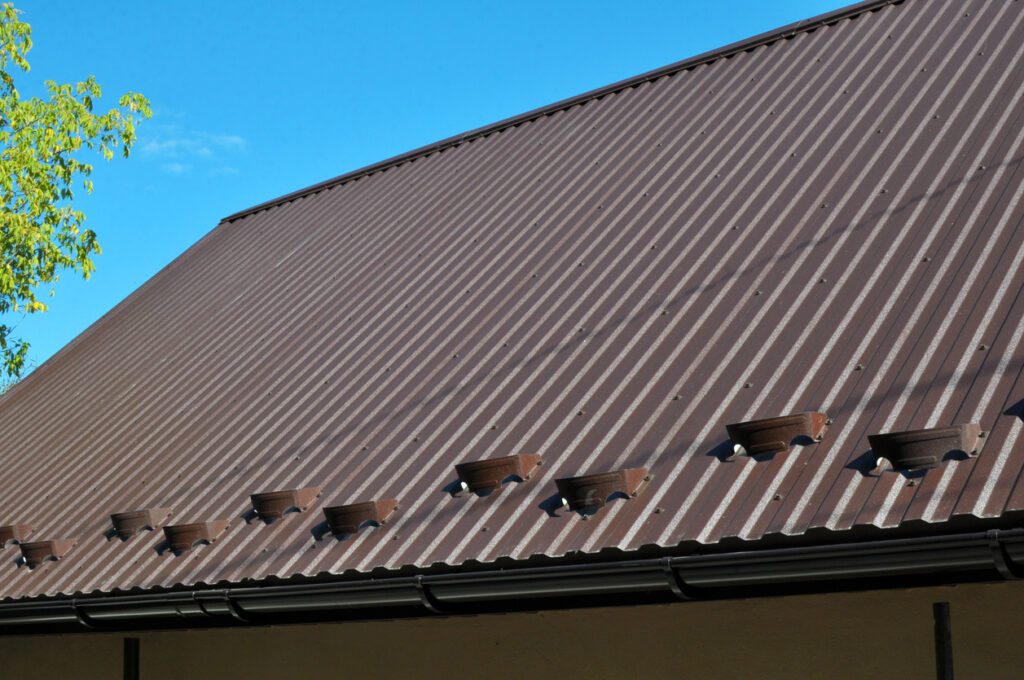
Heavy-duty roof snow guards to manage winter snow loads safely.
Protective systems for agricultural structures via our dedicated barn roofing teams.
Partnering with trained metal roofing contractors ensures your investment receives the technical care required for a full service life.
Is It Time to Upgrade Your Property?
If your current asphalt roof is showing signs of age, curling shingles, or persistent leaks, upgrading to metal will permanently end your roof repair cycle. You gain lower energy bills, improved curb appeal, and complete weather defense.
Ready to invest in a roof that lasts a lifetime? Contact Piedmont Roofing today for your free, no-obligation estimate and experience the lasting protection of professional metal roofing.