
Roof Snow Guards In Virginia
Piedmont Roofing is a standing seam metal roofing company located in Virginia.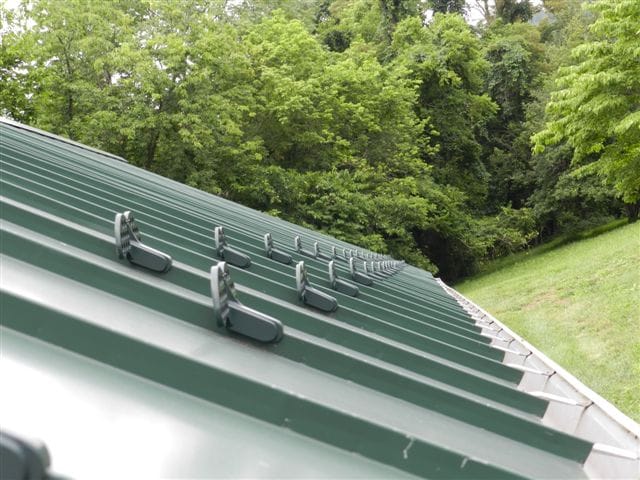
Virginia's winter weather presents a particular challenge. Snow often arrives wet and heavy, followed by rapid warming and refreezing cycles that create unstable conditions on sloped roofs. This seasonal pattern, while common in the region, sets the stage for a significant safety concern that many property owners don't anticipate.
When accumulated snow releases from a roof all at once, the consequences extend beyond aesthetic concerns. Gutters suffer damage, landscaping gets crushed, entryways become blocked, and people below face genuine safety hazards. For homes and buildings with pitched roofs and smooth surfaces, this isn't merely a theoretical issue—it represents a legitimate liability concern that deserves attention.
Roof snow guards address this problem before it starts. Though they don't command much attention in conversations about home maintenance, they represent one of the most practical investments a property owner can make for winter weather management and building safety.
Understanding Roof Snow Guards and How They Function
Roof snow guards are engineered components installed strategically across roof surfaces to manage snow movement. A common misconception suggests these systems prevent snow accumulation entirely, but their actual purpose is more nuanced. Rather than stopping snow altogether, roof snow guards maintain it in place long enough for gradual melting and controlled release rather than sudden, dangerous discharge.
As the snow warms and the bottom layer begins to liquefy, a slippery interface forms between the roof surface and the snowpack. Without intervention, gravity dominates this interaction, causing snow to slide off the roof. Roof snow guards introduce critical friction and distribute loads throughout the system, disrupting momentum before it becomes hazardous.
The effectiveness of any snow retention system depends on how these components work together. Spacing, roof pitch, and material compatibility all influence performance. A properly designed system functions as an integrated whole rather than as a collection of independent pieces scattered across the roof surface.
Selecting the Right System for Your Roof Type
Different roofing configurations and regional snow loads demand different approaches. One standardized solution simply cannot address every scenario effectively.
Pad-style systems work well on residential roofs with moderate slopes, particularly where aesthetics matter. These install in staggered patterns and maintain a relatively unobtrusive appearance. Bar and rail systems provide more robust solutions, designed for larger roof areas or regions with heavier snow loads where consistent retention proves critical.
Fence-style systems serve commercial applications and long roof runs where substantial snow management becomes necessary. Regardless of which style matches your needs, roof snow guards must be selected based on structural requirements rather than appearance alone. The right choice depends on careful evaluation of your specific roof conditions.
Snow Guards for Metal Roofs: Specialized Engineering Requirements
Metal roofing presents distinct challenges during the winter months. The smooth panels characteristic of standing seam designs allow snow to slide faster and with considerably more force than traditional materials. This property makes snow guards for metal roofs particularly important for properties where falling snow could create hazards.
Metal panels expand and contract with temperature fluctuations in ways that asphalt shingles do not. Snow guards for metal roofs must accommodate this movement using attachment methods that preserve panel integrity. Clamp-on systems offer significant advantages here, though mechanically fastened options may suit certain applications.
Snow guards for metal roofs require careful planning that accounts for load calculations, seam spacing, and overall roof geometry. Each metal roof presents unique characteristics that influence system design. Applying a generic approach across different metal roof installations creates unnecessary risk of system failure or roof damage.
How Metal Roofs Differ From Other Roofing Materials
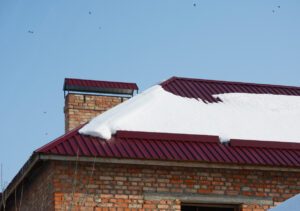
Different roofing materials interact with accumulated snow in distinctly different ways. Asphalt shingles provide inherent friction that naturally resists snow movement, while metal surfaces essentially facilitate unimpeded sliding. This fundamental difference explains why snow guards for metal roofs require substantially more sophisticated engineering than systems designed for other materials.
Attachment methods vary considerably across different applications. Some systems rely on adhesive bonding, others on mechanical fastening or seam clamping. Snow guards for metal roofs must remain fully compatible with specific panel profiles and protective coatings to prevent long-term degradation or failure.
Understanding these material-specific differences proves critical when selecting appropriate solutions. The expertise to specify and install these systems correctly often determines whether a solution performs as intended throughout its lifespan.
Common Applications Where Snow Retention Proves Essential
Property owners frequently assume snow retention systems belong primarily in mountainous regions. However, risk factors depend more substantially on roof configuration than on regional snowfall amounts.
Homes featuring walkways, patios, or driveways positioned beneath roof edges represent common candidates for snow guard installation. Commercial buildings with entryways or loading areas below sloped roofs similarly benefit from added protection. Agricultural structures and metal outbuildings frequently experience snow slides due to their roof designs, making snow guard installation increasingly important for these applications.
In these situations, roof snow guards reduce damage risk and enhance safety without altering the roof's appearance or operational function.
Snow Guard Installation: Why System Design Outweighs Product Selection
The effectiveness of any snow retention system depends less on product brand and more on installation quality and planning. Snow guard installation begins with understanding how snow loads actually travel across each specific roof.
Roof pitch, panel layout, and surface material all influence proper spacing patterns. Improper placement creates uneven load distribution that increases system failure risk. Inadequately planned installations can even damage the roof itself, creating problems that might have been entirely preventable.
Professional snow guard installation emphasizes system design rather than focusing on component placement alone. When roof snow guards are installed as part of a coordinated, thoughtfully designed layout, they perform consistently and predictably throughout the winter season. Installing roof snow guards properly ensures your entire system functions as intended.
Working With Professional Snow Guard Installers
Snow retention systems should never be treated as optional accessories. They constitute an integral component of your roof's overall structural and safety performance. This distinction shapes how professional installers approach their work.
A qualified installer evaluates far more than simple roof dimensions. They assess drainage patterns, determine appropriate snow load zones for your region, and consider how your building functions throughout the year. Proper snow guard installation always receives customization based on your specific roof rather than the application of generic patterns from other projects.
This professional approach ensures that roof snow guards function reliably over extended timeframes, providing consistent performance rather than requiring constant adjustment or repairs.
Long-Term Performance and Maintenance Considerations
Once installed correctly, roof snow guards require minimal ongoing maintenance. Most systems are designed to function for the entire roof's lifespan, provided they receive periodic inspection.
Visual checks following major snow events help identify any shifting or debris accumulation. Routine roof inspections offer opportune moments to confirm that fasteners and attachment points remain secure and functional. When integrated into a comprehensive maintenance plan, roof snow guards deliver consistent protection without demanding substantial ongoing effort.
Professional Installation Versus DIY Approaches
Do-it-yourself installations offer a lower pricetag in the short term, but frequently overlook critical load distribution considerations, focusing instead solely on component placement. This oversight leads to uneven stress distribution, potential panel damage, or water intrusion issues that compromise roof performance.
Improper attachment methods may void roof warranties or compromise weatherproofing integrity. On the other hand, professional installation emphasizes long-term roof performance and durability rather than attempting quick fixes. Selecting professional experience over a DIY approach protects both the roof structure and the safety of people who occupy or pass beneath it.
Moving Forward With Roof Snow Safety
Managing snow responsibly is an essential component of ensuring the safety of your property during the winter months. Roof snow guards play a critical role in reducing winter hazards while preserving the integrity of your roofing system.
Because system design and placement carry such significant importance, professional evaluation becomes essential. Property owners benefit substantially from partnering with experienced contractors, like the ones at Piedmont Roofing, who understand both roofing systems and the specific weather patterns that characterize your region. Contact our team today, and we’ll help ensure that your snow retention system performs reliably for years to come.