Categories
Blog Emergency Roof Repair Services

Small Roof Repairs for Skilled Do-It-Yourselfers

Of all the things that can go wrong around the house, a leaky roof is among the most severe and time-sensitive. That’s because water damage spreads quickly, even from a small leak. If you’re a skilled do-it-yourselfer, you may be able to handle these small roof repairs yourself. Here’s what you should know.

Maintaining a sound roof will always be one of the most important duties of a homeowner. Your roof is crucial for you and your family’s comfort and safety, and it keeps everything inside the house dry.

Any signs of damage and wear must be addressed immediately to maintain the integrity of the roof. You don’t want water to make its way under the shingles and rot the wood sheathing beneath. If it does, that small repair could morph into a major (and much more expensive) roof replacement.

You can take one of two directions for small roof repairs: Call a roofing contractor or tackle the work yourself. Base part of the decision on how confident you are in your DIY skills and the remainder on the difficulty of the repair.

Here are a few suggestions to help you determine if you should call a professional for small roof repairs, or if you can do it yourself.

Know When to Call the Pros for Small Roof Repairs

If your roof is more than 20 years old and many of the shingles are damaged or worn, you probably need to replace it. That’s not a job for most do-it-yourselfers, so call a professional. If on the other hand, you’re dealing with a cracked or missing shingle, this is the type of small roof repairs that a relatively handy homeowner can take on.

But even with a minor roof repair, there are things to consider before you make the final decision to climb on top of your house:

  • You Might Fall Off: Don’t laugh; broken bones aren’t funny. All it takes is one false step, and down you go.
  • It’s Hard Work: Bending and maintaining your balance is a lot harder than it sounds. If you aren’t used to that kind of work, you could end up with a sore back.
  • You Might Not Repair it Correctly: Even a slow leak could result in rotted wood or mold inside your house. Doing a repair that keeps out most of the water isn’t good enough.
  • It Might be Covered: If the leak occurred after a storm, there’s a good chance you have insurance coverage for professional repairs.
  • No Warranty: Professional roofers guarantee their work. If you’re not satisfied with your DIY repairs, you’re on your own.

A Few Words about Safety

So, you have decided to do the small roof repairs even after seeing the drawbacks. That’s fine, but before you get started, you need to think about your safety. Working on a roof is dangerous even under ideal conditions. Here are five safety measures that can ensure you complete the work without a mishap.

  1. Buy or rent a roofer’s ladder with a bracket that bridges the roof’s peak.
  2. Use a safety harness with a lifeline that’s secured to the base of a chimney or some other stable
  3. Climb to the roof on an extension ladder secured to the building in two places.
  4. Stay off the roof when it’s wet, icy, or covered with dew.
  5. Don’t walk on the roof any more than necessary—that will prevent slips and damage to the shingles.

You’re confident in your abilities, and you know how to stay safe. You’re ready to make some repairs. Just remember, it’s better to make them on a warm, dry afternoon when the shingles are supple and less likely to crack.

Fixing Curled Corners

As asphalt shingles age, their corners can curl up or down. Apply a small amount of roofing sealant ($5 for a 10-ounce tube) under the corner with a caulking gun. Weigh it down with a brick, and leave it in place for at least 24 hours. When the sealant dries, the job is done.

Repairing a Cracked Shingle
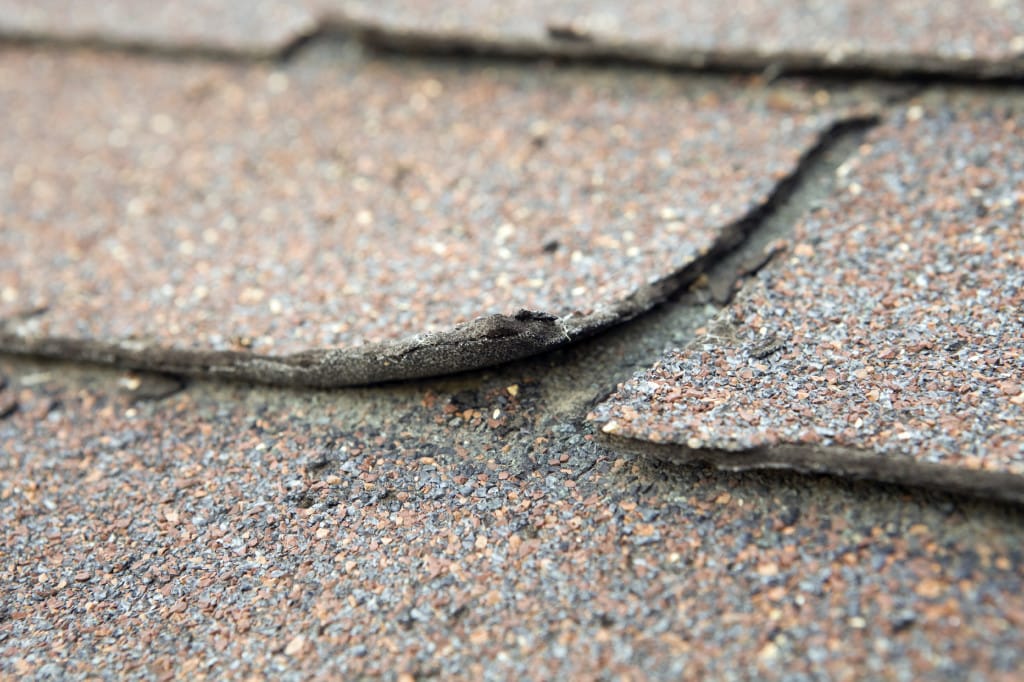
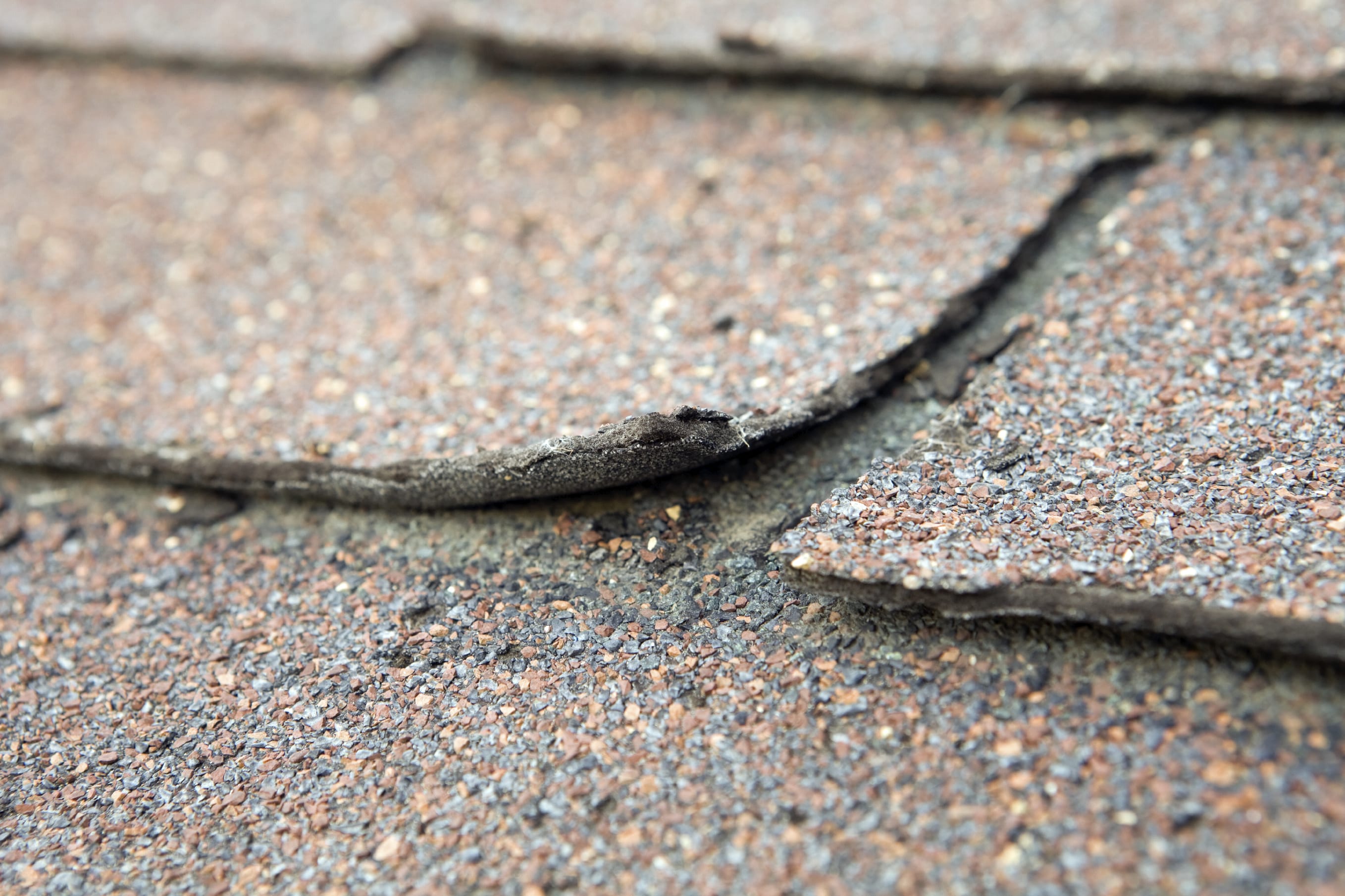
You don’t always have to replace a cracked shingle. Often you can repair it with roofing sealant. Apply a thick bead of roofing sealant under the crack, and press the shingle down. Apply another bead on top of the crack, and spread it with a putty knife.

Hide the repair by gathering the shingle granules that have washed into the gutter and sprinkling them over the sealant. No one will ever know.

Replacing a Shingle

A broken shingle is unsightly. Worse yet, it’s a leak in the making. Fortunately, this repair is not too high on the difficulty scale, so it’s a candidate for DIY small roof repairs. Try this five-step method:

  1. Start by looking around your garage or storage building for shingles that may have been left over from the last roofing work. If there are none, you’ll have to buy a bundle at the lumberyard or home improvement center. Find the closest match to the existing shingles.
  2. You’ll need a hammer, a flat pry bar, a utility knife and some 11/4 roofing nails. Each shingle was secured with four nails, but when the course above was installed, its nails also passed through the top edge of the shingles in the course below.
  3. Slide the pry bar under the shingle immediately above the damaged one and gently lift it free from the sealer strip. You’ll see the first row of nails beneath.
  4. Slip the pry bar under the damaged shingle and pry upward. After the nail pops up about 1/4 in., remove the pry bar, press the shingle down and remove the nail. Repeat this for the remaining three nails. Then push the pry bar under the shingle directly above the damaged one and remove the second row of nails the same way. After yanking all eight nails, pull out the damaged shingle.
  5. Slide the new shingle up into place and secure it with four nails.

Final Thoughts

Replacing your roof is a major expense. If you can do these simple small roof repairs properly, you can extend the life of your existing roof and forestall the expenditure on a new roof indefinitely. Just remember, safety first! And if you find that you aren’t having success with your DIY repair, call a pro immediately. Have any questions about repairing your roof? Let us know in the comments below!
Categories
Blog Metal Roofing

6 Tips to Prepare Home for Winter

Winter is just around the corner and with winter comes plunging temperatures, shorter days and the often dreaded snow and ice. As the winter season approaches, just like when you get out the hats and coats to prepare yourself for the cold, it is also equally important to prepare home for winter. Now is the best time to install a metal roof and address heating issues and energy leaks to help keep you stay safe, warm and energy-conscious this winter. This checklist will help you get started on the tasks necessary to make your home more comfortable as well as keep your energy costs at bay.

Consider Installing a Metal Roof

One of the most important, yet often overlooked parts of winter preparations for the home is ensuring the roofing system is ready for the freezing temperatures, snow and ice. Ensuring the roof is ready for the winter season is critical. Even a small roof problem can become a major wintertime disaster. While there are many common problems that you can address on your own, hiring a qualified roofing contractor is the best way to ensure a complete inspection of the roof. Winter weather can put several stressors on the roofing system. If the roof is less-than quality materials or older than 20-years, it has a greater chance of experiencing serious damage during the winter, including possible cave-ins. If this is the case and you need a new roof, now is the best time to have it installed. In fact, if you are considering a new roof, talk with your roofing contractor about having a metal roofing system installed. A metal roof last for generations to come. It can also help to significantly lower the cost of heating (and cooling) your home. In the meantime, some things you can do to prepare home for winter.

How to Prepare Your Roof:

  • Clean the gutters. Removing debris from the gutters can drastically reduce the risk of ice dams. Ice dams form when snow on the roof goes through several freezing and melting sequences. As the snow melts, the water travels and freezes when it reaches the eaves. If the roof is not properly vented and the gutters are packed with debris, the ice will build up, causing a dam at the edge. Ice dams can lead to extensive damages to the roofing system.
  • Check the attic for signs of water damage. If there are water stains, it may be a sign of poor roofing insulation and or damages to the roofing system itself.
  • Look for shingles that may be damaged or missing. Granules on the ground or in the gutters are a common sign of thinning shingles.
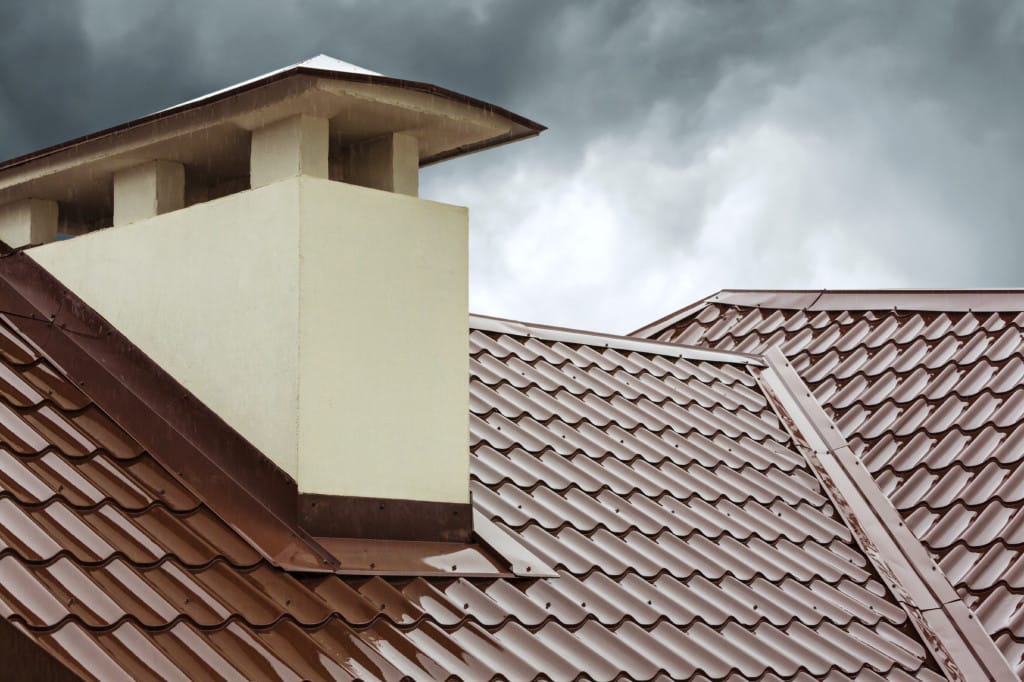
  • Carefully check the areas around the chimney and roof edges for cracks, deterioration and loose materials.
  • Sweep the roof to remove debris, tree leaves and other items.

Seal the Leaks

In order to prepare home for winter, you must address the leaking seals on your house. Heating costs can put a major dent in your winter budget. But you can reduce the energy use by addressing the cracks and gaps that allow cold air in and warm out. Caulking and weatherstripping are probably the simplest, most effective and least expensive way to reduce energy waste in the winter. Take these steps to properly seal the leaks:

  • Grab a tube of caulk and take a tour of your home, both inside and out, including the attic and the basement.
  • Use caulk to fill gaps and cracks in the foundation, siding and around windows.
  • Add weatherstripping around all windows and doors.
  • For large gaps, use foam sealer, such as around plumbing fixtures and furnace vents.
  • Heated air escapes through the chimney when you leave the fireplace damper open, so remember to shut the flue after the fireplace cools.
  • Electric switches and wall plugs can allow cold air in. Small, foam gaskets that are made to fit behind electrical plates are easy to install and will effectively prevent leaks.
  • Installing a door sweep will stop the cold drafts that enter your home under exterior doors. A door sweep is a piece of plastic or rubber that is attached with a strip of aluminum to the lower edge of the door.

Drafty Windows

The windows play a primary role in keeping the heat in and the cold out. Drafty windows can significantly increase the cost of your energy bills. Along with weather stripping and caulking, consider covering the windows in a thin plastic film. The plastic is attached with double-sided tape and can be easily removed when spring arrives. Another easy way to block out drafts is to install drapes, curtains or shades over the windows. If you have them, install storm windows and don’t forget the windows in the basement and attic.

Prep the Plumbing

To prepare home for winter, also take a look at the plumbing. Plumbing pipes pose a couple of problems during the winter. First, they can freeze and burst, and second they can be large contributor of letting in cold air. Take these steps to prep the plumbing for winter:

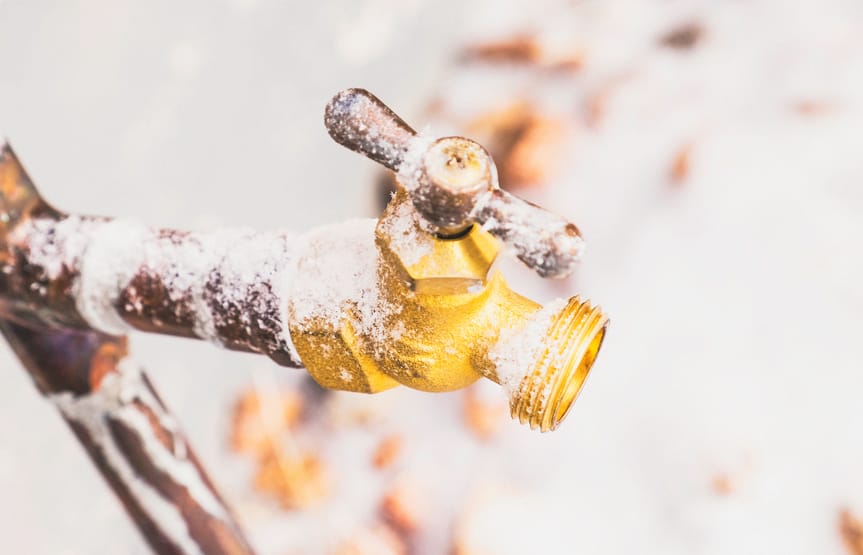
  • Insulate all exposed pipes, especially in unheated areas, such as the crawlspace, attic, basement and outside. Use tubular pipe insulation sleeves to cover exposed pipes, including bends and joints, then seal the seams with duct tape.
  • Remove garden hoses that attached to outside faucets and store them for the winter.
  • Drain the water from the outdoor faucets and turn shut-off the valve for outside faucets.
  • Arrange for in-ground sprinkler pipes to be blown out.

Heating Maintenance

The ideal way to ensure your heating system is ready for winter is to have a professional inspection before it’s time to turn the furnace on. Scheduling routine inspections and maintenance for the furnace, chimney, fireplace and venting system will ensure they are in good working order and if necessary, repairs can be made sooner, rather than later. Replace the air filter once a month to prevent the heating system from working harder than it needs to and it will use less energy. This is also the perfect time to replace the batteries in carbon monoxide and smoke detectors. Reverse the switch on the ceiling fans so they blow upward, toward the ceiling. Make sure to open all of the heating vents and remove items, such as furniture that is blocking the vents.

Check the Insulation

Large amounts of heat can be lost through floors, walls and ceilings, so one of the most cost-effective ways to reduce heating costs is to insulate the attic, especially in older homes. Make sure to apply weatherstripping to attic windows, caulk small openings and use spray foam to fill in large gaps, such as around vents. Poor insulation in the attic can also lead to severe water damage from roof leaks.

Don’t let a winter blizzard catch you off-guard. Ensuring that you prepare home for winter means your family will be warm, safe and comfortable. Remember when preparing your home, it is also important to prepare for an emergency, such as a power outage. So, always have a fully stocked emergency kit that includes a flashlight, batteries, blankets, water and non-perishable food. Also, make sure to rotate seasonal equipment in the garage to ensure shovels, snow blowers and sleds are easily accessed.

Worried about preparing your home for winter? Let us know any questions or concerns you have in the comments below!
 

Categories
Metal Roofing Blog

Metal Roofing Materials Offer Your Building the Best Protection

The roof of your building should last for years and keep you safe from the elements. When you need to replace or upgrade the roof, you may wonder what kind of material is best for this purpose. Metal roofing materials continue to prove their durability, making it an increasingly popular choice with home and business owners. You may find that it is right for you after discovering the benefits it can offer.

Durability of Metal Roofing Materials

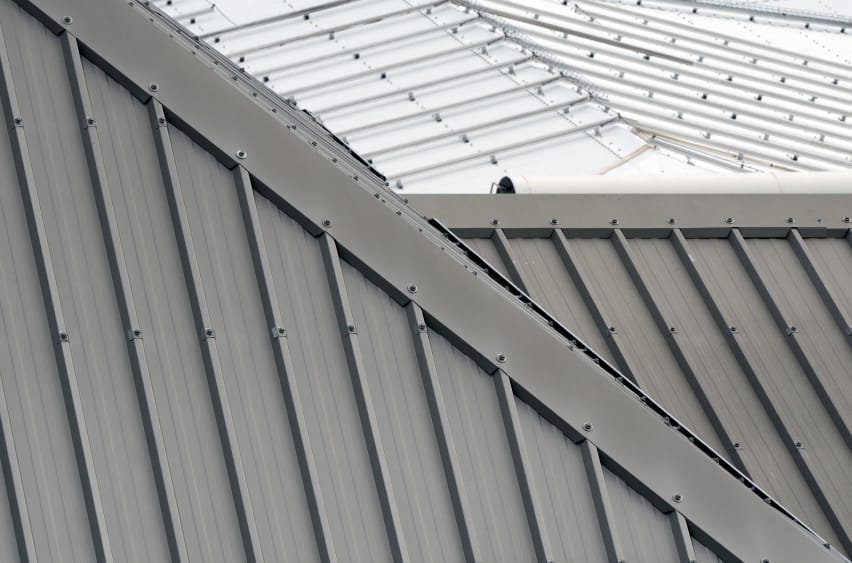
One of the foremost characteristics of metal roofing materials are the ability to last for years. A metal roof can last upwards of a decade or longer. It withstands all weather elements without needing to be repaired. It also retains its shape and does not warp, bend, peel, or crack like asphalt, wood, or foam.

Weather Resistance

When you want a roof that will hold up in all sorts of weather, you may be served well with a metal roof because of its weather-resistance. As noted, metal withstands even the wildest of weather without succumbing to high winds, hail, heavy snow and rain, or intense heat.

Rooftops that have or wood or asphalt shingles typically need repairing after thunderstorms, windstorms, heavy rains, and other inclement weather. However, a well-crafted metal roof can survive these weather events and others that normally would damage roofs made from other materials.

You may hesitate still because you believe that metal will absorb heat and make your home hot during the summertime. Today’s metal roofs reflect heat. This helps the interior of your home stay cool during hot weather. This cool roofing material is well-suited for a variety of weather conditions.

Aesthetics

When you think of a metal roof, you may think of a barn with a rusted tin rooftop or a shed with a shiny aluminum rooftop. However, metal roofing materials for commercial and residential buildings are far different. They’re from a more visually appealing and stronger material.

The metal used for commercial or residential roofing will not rust like tin. It also comes in a variety of colors that you can match to the exterior of your building.

Metal roofs are designed to be as aesthetic as they are practical and durable. Many people initially do not know that the material is metal.

Affordability

Another quality that home and business owners appreciate about metal roofing is its affordability. Unlike some materials like wood or ceramic tile, metal roofing is more cost effective. You can roof your building with metal at a fraction of what it would cost if you were to choose ceramic, wood, or other more expensive materials.

Further, many insurers prefer metal roofing because it is fire resistant. Insurance companies know that they may get their money’s worth out of insuring a building with a metal roof than one from less fire resistant materials.

You have a variety of choices in materials when it comes to roofing your home or business. When you want a material that will last for a decade or more as well as one that looks visually appealing, you may consider the advantages of metal roofing materials. This material has proven to stand up well against a variety of weather elements. It comes at a cost that many people find easy to afford.


Categories
Metal Roofing Blog

Metal Roof Maintenance for Fall

Metal is the longest lasting type of roofing material, and your new roof can last up to fifty years with proper care. While metal roofs require far less maintenance than those made with other materials, you will need to do metal roof maintenance to make sure it stays in top condition. As you prepare your home for fall, be sure to add these items to your to-do list. These metal roof maintenance tips will ensure your roof is ready for the cooler, wetter weather.

Metal Roof Maintenance Tips

Maintenance is an important part in any roof. After summer, every homeowner will want to utilize these metal roof maintenance tips to ensure your roof stays protective all year long.

Trim Back Tree Branches

The landscaping around your home plays a big role in how long your metal roof lasts. While metal is durable, heavy branches resting on it will weaken its structural integrity. Limbs blowing in the breeze can leave deep scratches. At the end of summer, make sure to trim all of your tree branches back at least three feet from your property. This will also ensure that rodents cannot gain access to any wooden areas around your metal roof.

Inspect Your Snow Guards

Roof snow guard systems are one of those things you rarely think about, but they save you from property damage and personal injuries that can occur if snow slides off your roof. Before winter storms arrive, take the time to make sure your snow guards are still in place and intact. This way, you can avoid a snow avalanche the first time heavy snow falls.

Check the Paint

The paint on your metal roof helps protect it from the elements. A quality paint job adds to its aesthetic appeal. Over time, however, exposure to sunshine, hail and foot traffic can all damage the paint and leave your roof vulnerable to the elements. Ideally, metal roofs should be painted before the weather turns frigid. During this annual metal roof maintenance, you should do an inspection. Doing an inspection now will allow you enough time to get it painted before the colder months.

Remove Accumulated Debris

Over time, fallen branches and leaves can build up on your roof. It is important to remove this before it gets wet or begins to rot since this can damage the materials used on your roof. Reaching the debris is the biggest challenge property owner’s face; especially since it is important to minimize foot traffic on your roof’s metal. Therefore, using a long brush to cover more distance is the best way to remove debris. If you choose to use a water sprayer, make sure to aim the hose away from the bottom of your roof since that can also lead to damage.

Clean Out the Gutters

Metal roofs are designed to allow the water to run off and into your gutters. When those gutters get clogged, your roof can no longer drain properly. Wet, soggy leaves and standing water can rest against the sides of your metal roof and lead to pooling. When this occurs, your metal roof will become susceptible to corrosion that destroys its ability to protect the rest of your home.

Metal roof maintenance requires far less work than other types of roofing materials. When it comes to protecting your roof, focus on removing anything that may rest against it and cause scrapes or corrosion. By trimming branches, clearing out fallen leaves and checking for minor damage that needs prompt repair, you can avoid major roofing work and protect your home’s value.


Categories
Blog Home Improvement

Improving Your Home with Simple and Fun Projects

Many homeowners underappreciate their own home improvement capabilities. They are sometimes afraid to try because they believe the projects are too time consuming and complicated. Rather than hand off these tasks to home improvement contractors, you can make your home look better and take pride in your craftsmanship by taking on these simple and fun DIY ways of improving your home.

Laying Tile or Carpeting

One of the simplest ways of improving your home that homeowners readily hire contractors for involves laying new flooring. Putting down new flooring in your home is not that difficult and can be done successfully if you pay attention to some basic precautions.

The first step involves preparing your floor for the new materials. After you have pulled up the old flooring, you should scrape off the remaining glue and then sweep or wipe off the subflooring to ensure it is smooth and ready to be primed. You should then prime it with the recommended adhesive for the material that you are laying.

Many home improvement stores and big box retailers sell flooring that comes with its own adhesive backing. Before you lay the material, however, you should determine a starting point so that you will be able to refer to it when laying out the rest of the pattern. It may suit you to start from the center of the floor and work your way out toward the wall so the finished project looks uniform.

Textured Painting

Another fun DIY project involves adding textured paint to your walls or cabinetry. To add texture to your paint project, you should use sponges, brushes, or paper that has its own unique texture and surface.

You should then paint the walls, cabinets, or other surfaces as normal with your favorite colors. Allow the paint to semi-dry before blotching the surface with the sponge, brush, or other textured item that you chose for this project.

The texture will imprint itself in the sticky, semi-dry paint and remain in place after the paint dries completely. It is important that you avoid rubbing off entire sections of paint with the sponge or other item that you are using to texture the surface.

Hanging Border or Wallpaper

If you do not want to paint your walls, you may instead decide to hang wallpaper or border. This project is simple because most wallpapers and borders come with their own adhesive backing today. You no longer have to mix paste with which to hang it.

However, you do have to pay attention to the pattern of the paper or border so that you create a seamless look. If you fail to match the pattern of the wallpaper or border with the section that you already hung on the wall, you will end up with a project that looks jumbled and tacky.

Before you hang the paper or border, you should lay out each section on the floor or a large table. This step allows you to match up patterns so that you will not notice seams once the project is finished.

Improving your home by yourself is fun and less expensive than hiring contractors. You get to personalize your home and utilize your own styles and creativity. These DIY projects may inspire you to have confidence in your own capabilities.

Categories
Blog Roofing

Protecting Your Home with a Weather-Resistant Rooftop

The weather takes a definite toll on your home’s rooftop. It steadily inflicts damage until your roof shows signs of wear and tear like warping, peeling, or outright collapsing. Out of all of the weather elements, however, moisture tends to lend the worst damages on even the sturdiest of rooftops. You can hold off the worst damage and protect your home for years by getting a weather-resistant rooftop. You can protect your home by knowing what materials are best for roofing in rainy environments.

Putting Your Roof on the Offense

Shopping for the best roofing materials is difficult. It may suit you to be proactive rather than on the defense in protecting your home. By putting your home on the proverbial offense, you can help it withstand the weather. It protects from damages that come from rain, humidity, and other factors. These factors could cause it to warp, collapse, and sustain other weather-related wear and tear.

As such, you should shop for materials that are known to resist moisture. These materials will hold off water from seeping into your home. A weather-resistant rooftop will be able to resist water intrusions better. Rubber, for example, stands out as one of the best weather-resistant rooftop materials because it cannot be penetrated by water and it also withstands other weather conditions like humidity and heat. Rubber roofing has become increasingly popular in the last decade and now ranks high among homeowners who want to protect their homes from expensive and detrimental water damages.

Concrete is another material that is now being used more often for residential roofing. This is because of it’s ability to withstand weather. A popular material for commercial buildings, concrete is now gaining recognition among homeowners who want their roofs to hold off water and moisture. While the material itself is porous by nature, it does not allow water to penetrate so deep that it seeps into your attic or upper part of your home. It also does not warp or collapse because of water exposure.

Partnering with the Best Roofing Contractors

When you want access to the best water-resistant materials for homes today, it is important that you partner with a licensed and bonded roofing business. Fully trained, professional roofing contractors can show you the best choices for your home and also give you all of the details you need to help you get the most out of your investment.

They also have the staff needed to get your home’s roofing done quickly and professionally. Professionals can respond to emergencies like your roof collapsing after a heavy rainstorm or a roofing fire caused by lightning. They likewise should be able to work with your homeowners’ insurer to help keep your costs to a minimum.

Pairing with a licensed and professional roofing business also means that any work done on your rooftop will meet or exceed your expectations. The finished result should be insurable by your homeowners’ insurance company. It should also be guaranteed to last for years.

Water can inflict irreversible harm to your home’s roof. It can cause your shingling to warp and peel or entire sections of your roof to collapse. When you live in a rainy environment, it is important that you protect your home. Choose a reliable, weather-resistant rooftop material that will withstand the challenging weather conditions. You can select the best material and receive roofing services that exceed your expectations by partnering with a fully licensed and professional roofing contractor.

Categories
Blog Roofing

Popular Roofing Choices Your Home

The material that you choose to roof your house with impacts how comfortable and happy you will be in your home, but there are many roofing choices to choose from. When you want the peace of mind that comes from having a sound and durable roof over your head, you may find it best to invest in one of these popular roofing materials.

Roofing Choices to Choose From

Rubber

Rubber roofing continues to be one of the most popular roofing choices among homeowners who prize performance and reliability. This material is well-known for its ability to keep your home comfortable and safe while also providing the appearance you want for the outside of your house.

Rubber roofs keep out heat, water, and other weather elements, allowing you to enjoy lower heating and cooling expenses. Rubber is also low maintenance and does not require a lot of upkeep for it to retain its appearance, performance, and durability.

You can find rubber roofing in colors that complement the exterior of your home. This material proves to be one of the more affordable choices on the market and one that continues to grow in popularity among homeowners.

Slate

Slate is another one of the most affordable and popular roofing choice when you are looking for a roofing material for your house. It comes in neutral colors that complement any color of exterior house paint or vinyl siding. It also has a natural, rustic appearance that you may find appealing.

Slate is fire resistant and also performs well in extreme weather conditions. It requires little upkeep and can last for years with regular maintenance.

Asphalt

Asphalt is a common roofing material that many homeowners choose for a variety of reasons. It is well-known for its fire resistant qualities and also low cost. Asphalt comes in gray or black, ensuring a neutral appearance that goes well with any color of siding or paint.

With proper maintenance and repairs, asphalt shingles can last for years. It performs well in all weather conditions and can keep out water, heat, and other weather elements.

Metal

Metal rooftops last for years and can be the showpiece of any home. When you invest in a metal roof, you have the option of leaving it in its natural condition or having it painted the color of your choosing by professional roofers.

Metal also tolerates any kind of weather, from extreme heat to the coldest of temperatures. It is strong enough to withstand hail, high winds, and other conditions that could cause other roofing materials to suffer damage.

Metal likewise is a fireproof material that many homeowners’ insurance companies prefer. When you want a rooftop that will provide you with the safety, longevity, and performance you want, you may find metal to be your most appealing option.

Ceramic

Ceramic is another popular choice with homeowners in different parts of the country. This tile roofing comes in a wide assortment of colors. These tiles are fired for durability and painted in bright colors that add to the appeal of any home.

These tiles tend to be a bit higher in price than other roofing materials. However, many people choose it anyway for its colorful beauty. They also enjoy its ability to reflect heat during the hot summer months.

Roofing choices are based on personal preferences and the climate in which you live. Roofing materials vary in performance and styles today. You can make the best choice for your home by learning about your available roofing material options.


Categories
Metal Roofing Blog

4 Metal Roofing Benefits

When it comes to roofing materials, there is a wide variety of materials to choose from, but metal roofing is quickly becoming one of the most popular options. When roofing your home the materials used must provide beauty to the exterior of your home as well as be durable enough to withstand the elements. There is a vast array of metal roofing benefits, including the durability, design options and the cost effectiveness.

Here are the four most common metal roofing benefits to consider for your next roofing project.

Fire Resistant

Unlike some roofing materials, such as shingle and cedar roofs, a metal roof is naturally resistant to fire. This is one of the most important metal roofing benefits because it can save your home from potential fires. The metal is contracts and expands in high levels of heat. Although some roofing materials, such as ceramic tiles are made to be fire retardant, this type of roofing is typically more expensive than metal and it is much heavier. Ceramic tiles are also prone to cracking and/or chipping during high winds. A metal roof withstands the heat as well as high winds.

Cost Effective

Another one of the most popular metal roofing benefits is the cost effectiveness in the long run. The cost may seem slightly higher than other roofing materials, however, the overall value outweighs the cost. The life-span of a metal roof is significantly longer than other material options. For example, asphalt typically needs replaced about every 10 years. A metal roof, can typically last a minimum of 50 years. A shingle roof will needs replacing about 4-5 times more often than the installation of one metal roof.

Save on Energy Costs

One of the most beneficial reasons to consider installing a metal roof is the savings you have in heating and cooling costs. Metal reflects a large amount of the sun’s energy. This will help you save money on the cost of electricity to heat and cool your home. Metal roofing can often save homeowners as much as 40 percent on their cooling costs. Your home will feel much cooler, because the metal re-emits as much as 90 percent of the solar radiation. In most situations, a metal roof can be installed directly over your existing shingle roof, which will save you money on the cost of a tear-off, as well as provide an added layer of insulation. Another way you may save money is in on the cost of your home insurance, because many insurance providers offer a discount for homeowners with a metal roof.

Design Options

There are several types of metal to choose from for roofing. Each type comes with its own metal roofing benefits. The most popular metals are tin, aluminum and copper. Tin is typically on smaller roofs, such as a small overhang roof or a shed. It is the least expensive, but it may be prone to rust and corrosion. This is especially true if one doesn’t maintain it. Aluminum is suitable for any structure. It is lightweight, durable and resistant to corrosion. Copper roofing is popular for the aesthetic beauty it provides. It is often more expensive than aluminum, but it requires very little maintenance. A metal roof can also be designed to look like other roofing materials, such as wood, stone or clay tiles for a fraction of the cost of these materials and it provides more durable protection.

Since metal roofing is made with recycled metal, it is environmentally friendly. And you can do your part for the environment by recycling it in the future.

Categories
Blog Roofing

5 Steps to Finding the Right Contractor

In most cases, roof repairs are a necessity rather than a choice. Roofs are essential to provide structural integrity to your home and safeguard the contents. A quality roof can enhance the appearance of your home and maybe even save money on utilities and energy costs. To ensure you receive a quality roof, you must find a reputable roofing contractor to do the job.

Roofing is one of the most expensive repairs that a homeowner can make. Therefore, it is important to ensure that you find a qualified roofing company that will get the job done on time and stay within budget. A skilled roofer can provide you with expert information about the best materials for your roof. These six steps will help make it easy to find a contractor that you can trust to expertly get the job done.

Ask Friends and Neighbors for a Referral

One of the best ways to find a qualified contractor is to ask friends, family and neighbors who they use. If you notice that a neighbor is getting a new roof, ask them about their experience with their contractor, even if you do not yet need a new roof. Eventually, you will need one and it is good to have the information when needed. Ask the person if they were satisfied with the job done and whether or not they would hire them again. If you do not know anyone who has had a roof replaced recently, you can ask at local hardware stores and lumber yards.

Do Your Research

Once you have a list of three to four qualified contractors, research each one. First, verify their contact information and consult your local Better Business Bureau to ensure that there are no glaring red flags. Review Yelp or other reviews. Ask each roofer for a list of references and call each one.

Request to See Proof of Insurance

It is a must that your contractor have liability insurance and worker’s compensation. Ask to see proof of insurance and contact the insurance carrier to confirm that the instance is still valid. Using an insured contractor helps protect you from liability if they are injured while working on your property.

Obtain an Estimate

Once you have chosen a couple of prospects, ask each one to come out to your home and provide you with an estimate. Pay attention to whether or not they arrive on time for the estimate. Chances are that if they are late, they will not bother to complete the job on time. Talk to the contractor about roofing materials. Ask about the extent of the job, as well as the time needed to complete it. Remember that the cheapest bid is not necessarily the best one. Knowledge, enthusiasm and expertise are also very important. If you are unsure of anything, clarify any questions that you might have with the roofer.

Draw Up a Contract

A roof is likely one of the most expensive home repairs that you will make. You must have a contract to protect your investment. A detailed contract should be drawn up. It should cover liability, safety procedures and workers compensation. Cover things like payments, schedule, clean-up methods and warranties.

Categories
Roofing Blog

Homeowners: Why You Need Roof Repair Contractors

Something’s wrong with the roof, but you are not exactly sure how to go about correcting the problem. Instead of trying to figure it out on your own, the smart move is to call roof repair contractors and get some help with the roof. In the long run, this approach is in your best interests. Here are a few things that the roof repair contractors can handle without you trying to manage them on your own.

How Roof Repair Contractors Will Help

Roof repair professionals have extensive knowledge on roof repair, and will be able to help you. Whether you are in need of emergency roof repair, or a standard inspection, they can help. Here are the most common things a professional will help you with.

Properly Assessing the Situation

You know something is wrong and you even have an idea of what type of repair is needed. What you don’t know is the extent of the damage and whether what you have in mind will produce the desired outcome. There’s a good chance that more is going on than you realize.

The best thing to do is call a roofing contractor and arrange for the roof to be inspected. If the problem is more complicated than you realized, rest assured the roofer will identify every issue that must be addressed. As part of the process, the professional can tell you if it’s worth your money and effort to make the repairs. Depending on what’s wrong, it may cost you less to have the roof replaced.

Learning About All the Repair Options

Some roofing issues can be remedied with more than one approach. This is where the expertise of roof repair contractors comes into play. You may be familiar with one way of correcting the problem, but the roofer knows of three different solutions that would work in your case. The professional will sit down with you and explain how each approach works. You’ll learn the pros and cons of each solution, and have the chance to weigh the probable outcome of each strategy. That allows you to make the decision that you think is best.

There’s Less Danger Involved

As agile as you happen to be, working on a roof is a little outside your wheelhouse. The odds that you could slip and sustain a serious injury are real. While it’s true that a professional does assume some risk by ascending to your roof, that individual has the right equipment and knows exactly what safeguards to take. The potential for an accident to occur is considerably less when the roofer is dealing with the repair.

Your Home Insurance Provider Will Love You

By extending coverage to you, your home insurance provider is taking on a certain amount of risk. Any action on your part that helps to prevent further damage to the house is beneficial. The fact that you chose to hire a pro to make the roof repair will generate some love, since roofing professionals usually provide some type of guarantee for their work.

In addition, roof repair contractors will complete all repairs in compliance with local standards. That further helps to minimize the risk that your provider takes on by continuing to provide you with coverage.

As tempting as it may be to tackle the roof repair yourself, resist the urge. The best approach is to have a professional take a look at the roof. Once it’s clear what is wrong and what can be done to remedy the problem, it will be an easy decision to authorize the roofer to take care of everything.

Exit mobile version