
Rubber Roof Lifespan: How Long Do Rubber Roofs Last?
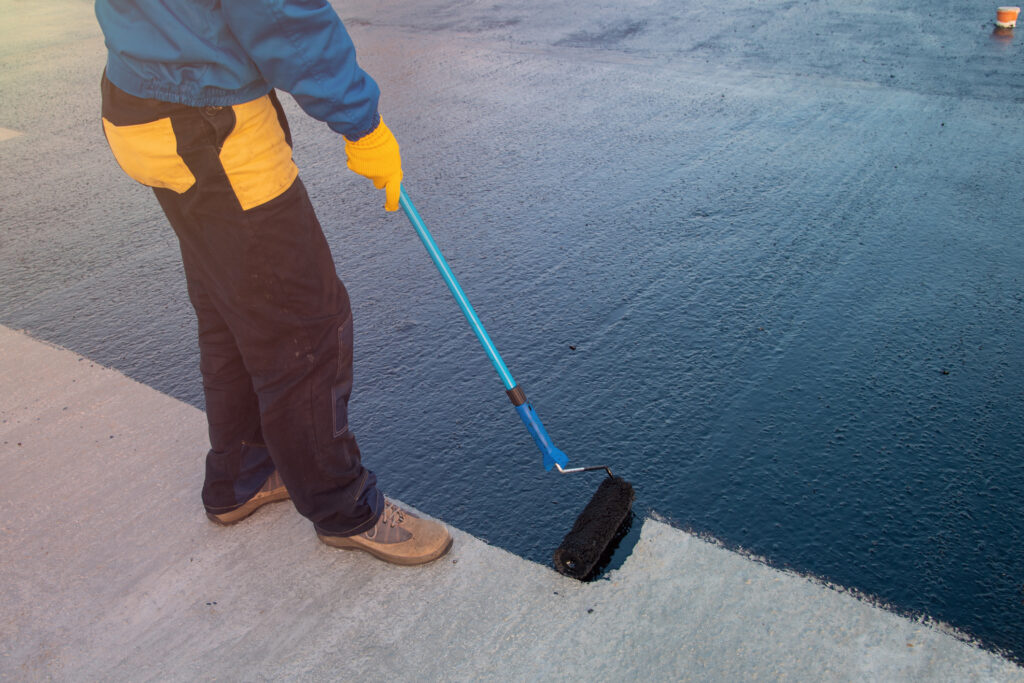
Rubber roofing, known as EPDM, is a durable and flexible option for flat or low-slope roofs. It has an average lifespan of about 20 to 30 years, or longer, with proper installation and maintenance. However, climate exposure, installation quality, and routine care do play a hand in determining its longevity. Knowing what to look for and addressing issues as they arise can help your roof exceed your expectations.
Are you considering adding a rubber roof to your home or commercial space? Maybe you already have one, and you are trying to determine how long you have before issues begin to arise? Because an ailing roof can lead to leaks that may threaten your property and budget, the fear of uncertainty can be stressful.
Don’t make the mistake of assuming that all roofing systems age about the same. This is setting yourself up for big (unwanted) surprises, especially if the roof fails prematurely.
So, how long do rubber roofs last? If installed properly and routinely maintained, the roof can last decades. This article explores what truly affects a rubber roof’s lifespan so that you can improve the longevity of yours.
What is a Rubber Roof?
You will most often find rubber roofing installed on flat or low-slope roofs, including commercial buildings, industrial facilities, apartment complexes, and even some residential structures. The material provides a great deal of flexibility, allowing it to expand and contract with fluctuating temperatures without the risk of cracking.
The formal term for this type of synthetic rubber membrane is EPDM roofing, short for Ethylene Propylene Diene Monomer. It has been around for decades and has earned quite a reputation for being durable, flexible, and weather-resistant. It stands up very well to moisture and environmental stressors, too. Of course, it doesn’t rank high for its aesthetics, but that’s okay since it is not typically visible.
As roofing experts, we regularly recommend EPDM roofing because it combines longevity with low maintenance requirements. And it works wonderfully atop buildings and structures throughout Virginia.
How Long Do Rubber Roofs Last?
When a rubber roof is properly installed, it can last about 20 to 30 years. And with routine maintenance, we have seen EPDM roofs last even longer as long as they are cared for and repaired as needed.
Just because a roof can last that long does not mean that it will. Many factors contribute to their longevity (or their demise), such as the quality of the installation, the thickness of the membrane, the climate exposure, and the amount of care they receive.
Rubber roofs have a lot of potential, and they can stick around for decades. Be sure you are looking out for your investment.
Factors that Affect the Lifespan of a Rubber Roof
If you are a Virginia property owner who has chosen a rubber roof, then you should expect peace of mind for a while. However, there are a few things that can have an impact on just how long that may be.
The Quality of Installation Matters
How well a rubber roof is installed will play a significant role in just how well it will hold up against the local environment and regular wear and tear from being exposed to the elements.
EPDM looks like its installation is easy, but precision is key. For instance, seams must be bonded together correctly. Flashing needs to be around any penetrations and drainage assessed to prevent standing water. Any time a shortcut is taken, the failures will appear over time. This may be leaks, bubbling, or seam separation.
We cannot stress just how valuable a professional roofing team is when it comes to installing your new roof.
Climate and Environment
Rubber roofing holds up very well when exposed to climates of extreme temperatures, both hot and cold. It even holds up well during Virginia’s summer while resisting UV rays. Yet, despite all of this, environmental conditions matter.
A roof that is exposed to pooling water or falling debris may experience faster wear, especially in those affected areas. Without proper drainage and routine inspection, the timeline for your rubber roof can be reduced.
Maintenance and Inspections
An EPDM roof may not require a lot of time and attention, but it does require some. We have found this is often overlooked, with most property owners assuming that they are maintenance-free. This is simply not true.
How often you do (or don’t) inspect your roof can have an impact on its longevity. With annual inspections from a reputable roofing company, small issues can be addressed to prevent the most costly damage later. This basic care can help a rubber roof reach its full lifespan, or even exceed it.
Remember, these roofs can be repaired or even restored without having to be fully replaced. So, don’t overlook the small areas of concern.
Signs of Trouble: Does Your Rubber Roof Need Replacing?
Regardless of how much you depend on your rubber roof, it is not going to last forever. There will come a time when you will need to have it repaired or replaced so that you can continue to reap its benefits. Do this proactively rather than waiting until bigger problems arise.
Here are a few things to look out for:
- Cracks
- Shrinking
- Persistent leaks
- Obvious wear
- Bubbling or blistering
- Loose or separating seams
- Pooling water
Sometimes these things can be fixed without needing to be entirely replaced. A professional roofer will be able to properly evaluate it for the next steps, whether repairing, restoring, or replacing.
Rubber Roofing is a Smart Investment
A rubber roof is more than just a choice; it is a long-term investment in protection and peace of mind for your home or commercial structure. When it is installed by experienced professionals and routinely maintained, EPDM roofing can last for decades.
At Piedmont Roofing, we bring proven expertise and quality workmanship to every project. We offer installation, maintenance, and evaluation of rubber roofing systems throughout Virginia— Albemarle, Culpeper, Louisa, Madison, Spotsylvania, Piedmont, Loudoun, and surrounding areas. Contact us today to get started.