
Understanding the Fundamentals of a Low Pitch Metal Roof
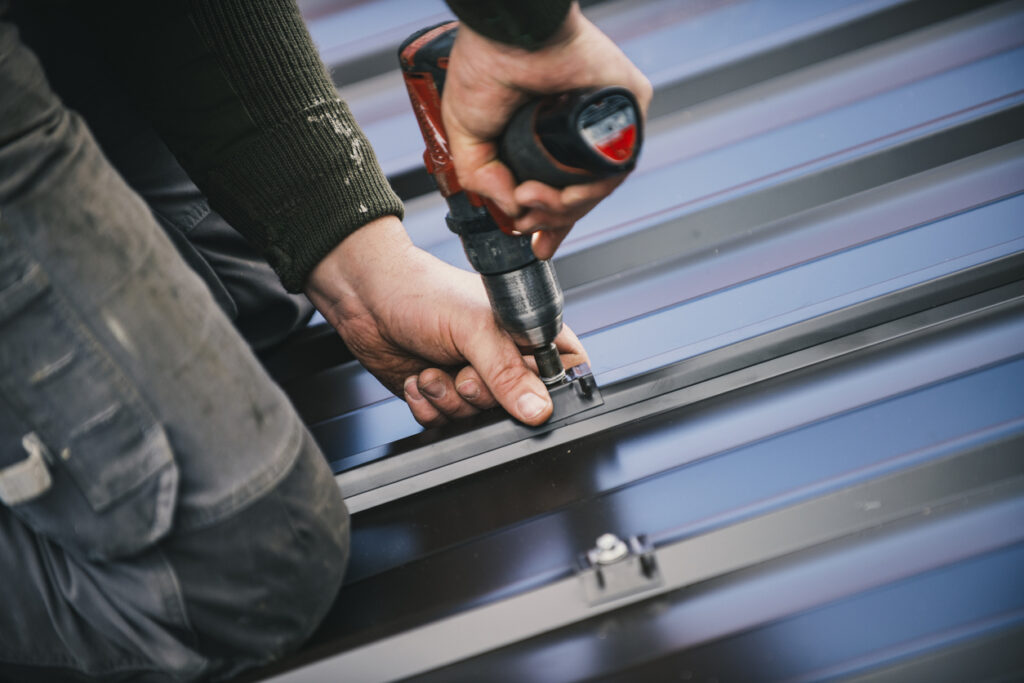
Choosing the right materials for a low pitch metal roof requires careful planning and a deep understanding of water drainage dynamics. Many property owners assume that low slope metal roofing cannot perform well against heavy rain and melting snow, but modern engineering offers specialized solutions designed to protect your home. Understanding the nuances of a low pitch metal roof leaking will help you safeguard your investment and avoid costly structural damage over time.
When planning a project, determining the best roof pitch for metal roof installations ensures that rainwater sheds efficiently rather than pooling on the surface. Industry data shows that low slope roofing assemblies account for a significant portion of commercial and residential roof maintenance calls due to improper panel selection, making correct material choices paramount. If you are exploring a low slope standing seam metal roof, you gain access to concealed fastening technology that drastically reduces the risk of water infiltration.
Choosing the Best Roof for Low Pitch Applications
Finding the best roof for low pitch structures often leads homeowners directly to metal systems because of their exceptional durability and longevity. However, every project must respect the lowest roof pitch for metal roof guidelines to guarantee long term performance. Evaluating the metal roofing minimum pitch requirements specified by manufacturers will prevent voided warranties and premature wear. Before finalizing your project, you must carefully analyze the overall metal roof slope to ensure proper runoff.
Determining the ideal roof pitch for metal roof designs depends heavily on local weather patterns and architectural constraints. Homeowners frequently ask about the lowest pitch for metal roof installations when working with modern architectural styles. Reviewing the minimum roof slope for metal roof systems helps installers apply the correct sealants and underlayments. Knowing the minimum slope metal roof specifications allows contractors to recommend the most reliable panel profiles available on the market.
Property owners often wonder what is minimum slope for metal roof applications before starting construction. Asking how much pitch does a metal roof need is a critical step in avoiding structural headaches later. Adhering to strict metal roofing minimum slope standards guarantees that water moves swiftly toward gutters and downspouts. Whether you have a low slope metal roof or a traditional steep slope design, professional installation makes all the difference in overall weather resistance.

Evaluating Metal Roof Low Slope Performance
Evaluating how a metal roof low slope setup performs begins with understanding panel geometry. Standard corrugated panels often require a steeper incline, but specialized profiles change the rules entirely. When building a standing seam metal roof low slope project, the lack of exposed fasteners creates a watertight barrier. This design prevents moisture from seeping through screw holes during heavy storms.
Water ponding remains the single greatest threat to any low pitch metal roof. When water lingers on a flat or gently sloping surface for more than forty eight hours, it can compromise sealants and degrade protective coatings. This stagnation frequently leads to a low pitch metal roof leaking if the panels were not installed with adequate slope or proper waterproofing membranes. Professional roofing contractors utilize high grade synthetic underlayments to provide a secondary line of defense against trapped moisture.
Selecting the Right Panels for Your Project
Selecting the right panel profile is essential for achieving success on a low slope metal roofing project. Snap lock standing seam panels are among the most popular choices for these applications. They feature concealed fastener clips that lock the panels together without piercing the surface. Because the fasteners remain hidden beneath the panels, there are no fastener heads exposed to the elements where water could potentially enter.
Snap lock systems are exceptionally fast to install, reducing labor costs and project timelines. However, they are generally recommended for milder climates where extreme wind driven rain or heavy snow loads are less common. For regions with severe weather, upgrading to a mechanically seamed standing seam metal roof provides superior wind uplift resistance and watertight security.
Mechanically seamed panels utilize a specialized machine or hand tool to fold the panel seams tightly together. This creates a continuous, highly secure lock that withstands severe environmental stress. Single lock and double lock variations offer different levels of security, with double lock seams providing the ultimate protection against standing water and heavy precipitation. Discussing these options with an experienced roofing professional ensures your property receives the exact level of protection it requires.
Another reliable option for lower slopes is structural box rib panels. These corrugated metal panels feature prominent high ribs that keep water well below the critical fastener lines. Because the ribs stand tall, moisture must rise significantly before it can encounter any potential opening. While these panels utilize exposed fasteners, their structural design offers impressive durability and affordability. They represent an excellent budget friendly alternative for property owners who need reliable performance without the higher cost of standing seam systems.
Professional Maintenance and Expert Roofing Services
Proper maintenance plays a vital role in preserving the integrity of any metal roof slope. Routine inspections help identify minor issues before they escalate into major repairs. Cleaning debris from valleys and gutters ensures that water flows freely away from the structure. Addressing minor sealant wear promptly extends the lifespan of the entire roofing system.
Homeowners seeking professional guidance for their roofing projects can rely on expert contractors to evaluate structural pitch and recommend ideal materials. Professional installation teams deliver comprehensive services ranging from routine maintenance and repairs to complete roof replacements. Expert technicians ensure that every panel, flashing, and sealant bead meets strict industry standards for weather resistance.
If you are planning a renovation or need expert advice on your current roofing system, reach out to schedule a comprehensive consultation today. Let experienced professionals inspect your property and provide tailored solutions for your specific pitch requirements. Protect your home with top tier materials and expert craftsmanship by contacting our team to get started on your next project.